
For many of us, sleep has become something of an aspiration.
Eight uninterrupted hours now sit in the same category as a luxury spa break, silk sheets, rooftop apartments and inbox zero...desirable, but rarely an everyday reality.
While we aspire to sleep, we too often choose stimulation over rest, only recognising the effects when they begin to show in our skin. The truth is, once you finally place your phone on the dressing table and choose sleep, your body begins the least exciting - yet most essential - part of the day: maintenance.
Night is where the real work happens. Repairing. Rebalancing. Resetting everything the day has left behind.
Traditionally, beauty has been approached through a daytime lens. Cleansers, toners, moisturisers, SPF, foundation, blusher and mascara have long taken centre stage, while night repair has remained quietly in the background, rarely given the same attention. And yet, so much of the real work can (and should) happen while you sleep.

Eight Ways To Sleep Better
1. Protect Your Wind-Down Hour
The body does not switch off instantly. Try to give yourself at least 30–60 minutes before bed away from constant stimulation - whether that’s emails, scrolling or television. Lower lighting, quieter rituals and a slower pace all help signal to the nervous system that it’s time to rest.
2. Keep Your Sleep Routine Consistent
Going to bed and waking up at similar times each day helps regulate your circadian rhythm, supporting everything from mood and energy levels to overnight skin recovery.
3. Lower Your Evening Sensory Load
Dim lighting, softer sounds and a cooler room can all help prepare the body for deeper sleep. Your environment plays a bigger role in sleep quality than many of us realise.
4. Watch The Late Caffeine + Sugar Window
Caffeine can stay in the body for hours, often disrupting the deeper stages of sleep responsible for recovery and repair. The same goes for excess sugar late in the evening.
5. Make Your Bedroom Feel Calm
A cluttered, overstimulating environment can make it harder for the mind to fully switch off. Think calm lighting, clean bedding and a space that feels restorative rather than busy.
6. Hydrate (But Earlier In The Evening)
Hydration supports both energy levels and skin function, but drinking too much water immediately before bed can interrupt sleep. Earlier in the evening is often best.
7. Turn Skincare Into A Ritual
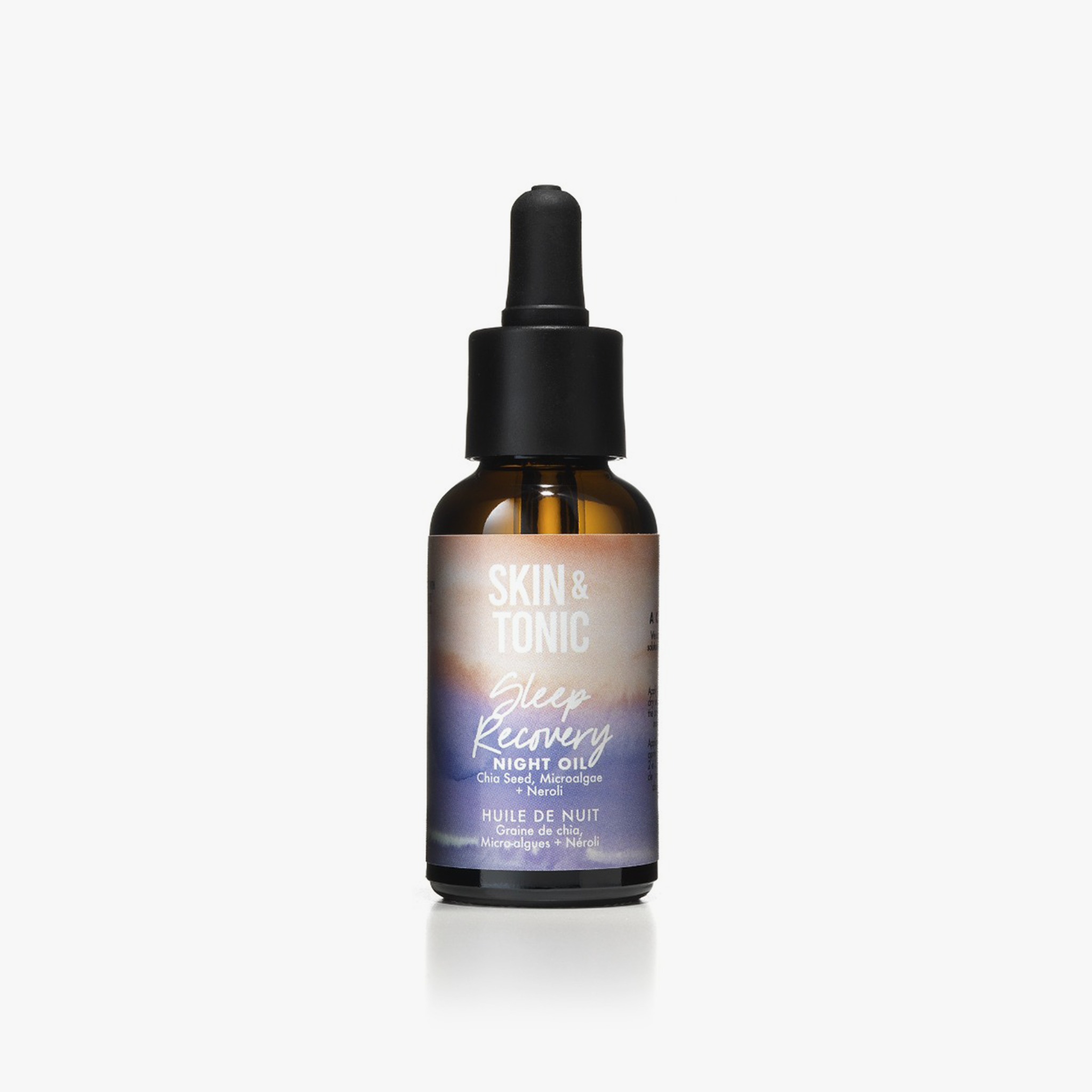
Night-time skincare can become more than a routine - it can act as a signal that the day is ending. Cleansing the skin and applying nourishing overnight treatments can help create a sense of calm before sleep.
8. Prioritise Sleep Quality, Not Just Quantity
Deep, uninterrupted sleep is where much of the body’s repair work happens - from mood regulation to skin recovery. One truly restorative night can often do more than several restless ones.